Trauma and Its Impact
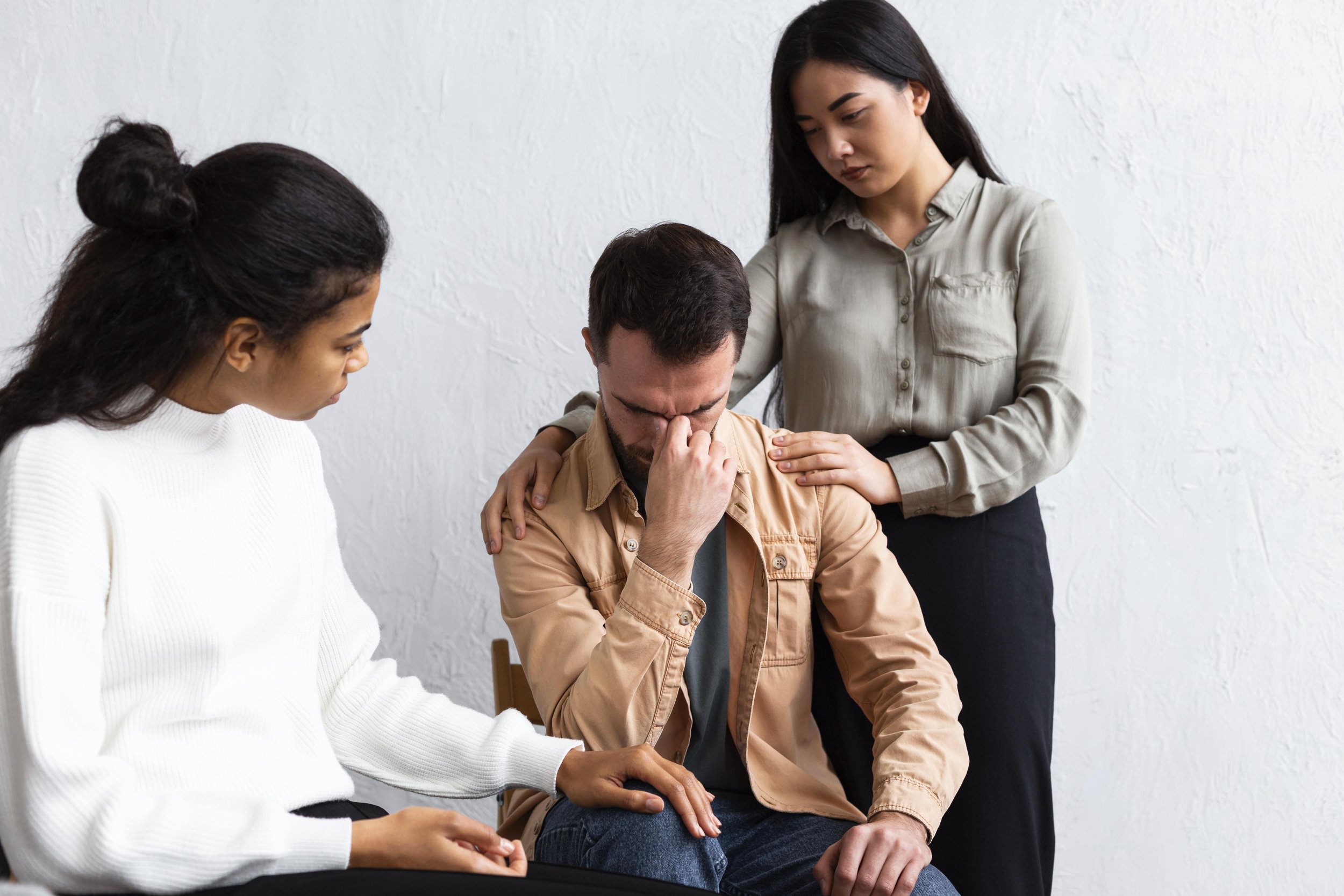
Trauma is often misunderstood as something that only happens after extreme events such as accidents, violence, or natural disasters. While those experiences can certainly be traumatic, trauma can also result from ongoing emotional pain, neglect, relational wounds, or experiences that overwhelm a person’s ability to cope.
At its core, trauma is not defined solely by the event itself—it is defined by the impact the experience has on the mind and body. Two people can experience the same event and respond very differently. Trauma occurs when an experience leaves a person feeling unsafe, helpless, or emotionally overwhelmed.
There are several different types of trauma that can affect emotional well-being:
Acute Trauma
Acute trauma results from a single distressing event such as a car accident, assault, medical emergency, or sudden loss. These events can trigger intense emotional reactions, including fear, anxiety, and intrusive memories.
Chronic Trauma
Chronic trauma occurs when a person is repeatedly exposed to distressing experiences over time. This may include ongoing abuse, domestic violence, prolonged illness, or long-term instability. Repeated exposure to traumatic stress can deeply affect emotional regulation and the ability to feel safe.
Complex Trauma
Complex trauma often develops through repeated interpersonal harm, particularly during childhood. Experiences such as neglect, emotional abuse, abandonment, or repeated betrayal can affect self-worth, attachment, and trust in relationships. These wounds may continue to impact adulthood in ways that are not always immediately recognized.
Secondary or Vicarious Trauma
Secondary trauma can affect those who are repeatedly exposed to others’ suffering, such as caregivers, first responders, or mental health professionals. Over time, hearing traumatic stories or witnessing pain can take an emotional toll.
Trauma can manifest in many ways—anxiety, emotional numbness, irritability, hypervigilance, panic, difficulty trusting others, or feeling disconnected. Many people may not even realize that unresolved trauma is influencing how they think, feel, and relate to others.
Healing from trauma is possible. With the right support, individuals can process painful experiences, rebuild a sense of safety, and develop healthier ways of coping. Trauma therapy creates space for healing at a pace that feels safe and empowering.
Healing does not mean forgetting what happened. It means reducing the power trauma has over your life and learning how to move forward with greater strength and self-understanding.
Healing from Trauma: What Recovery Can Look Like
Healing from trauma is not a quick or linear process. It often involves moments of progress, setbacks, emotional breakthroughs, and the gradual rebuilding of trust—both in oneself and in others. While trauma can leave deep emotional wounds, healing is possible with patience, support, and compassionate care.
Trauma affects more than memories—it impacts the nervous system, emotions, beliefs, and the body. After a traumatic experience, many individuals find themselves living in survival mode. They may feel constantly on edge, emotionally numb, easily triggered, or overwhelmed by fear and anxiety.
These responses are not signs of weakness. They are protective responses from a body and mind that have learned to stay alert for danger.
Healing from trauma often begins with creating safety. This means developing emotional and physical stability before processing painful experiences. In therapy, this may involve learning grounding skills, identifying triggers, and building coping strategies that help the body feel calmer.
As healing progresses, many people begin to explore the beliefs trauma may have created, such as “I am not safe,” “I am not worthy,” or “I cannot trust anyone.” These beliefs often form as a way to make sense of painful experiences, but they can continue to shape relationships and self-perception long after the trauma has passed.
Processing trauma allows those beliefs to be challenged and replaced with healthier, more compassionate truths.
Healing also involves reconnecting with the parts of yourself that trauma may have silenced—your sense of safety, confidence, identity, and ability to trust. Over time, therapy can help reduce emotional distress while restoring a sense of control and empowerment.
Trauma recovery does not mean erasing the past. It means learning how to live in the present without being controlled by what happened before.
Healing is possible. With support, individuals can move beyond survival mode and begin building a life rooted in resilience, connection, and hope.